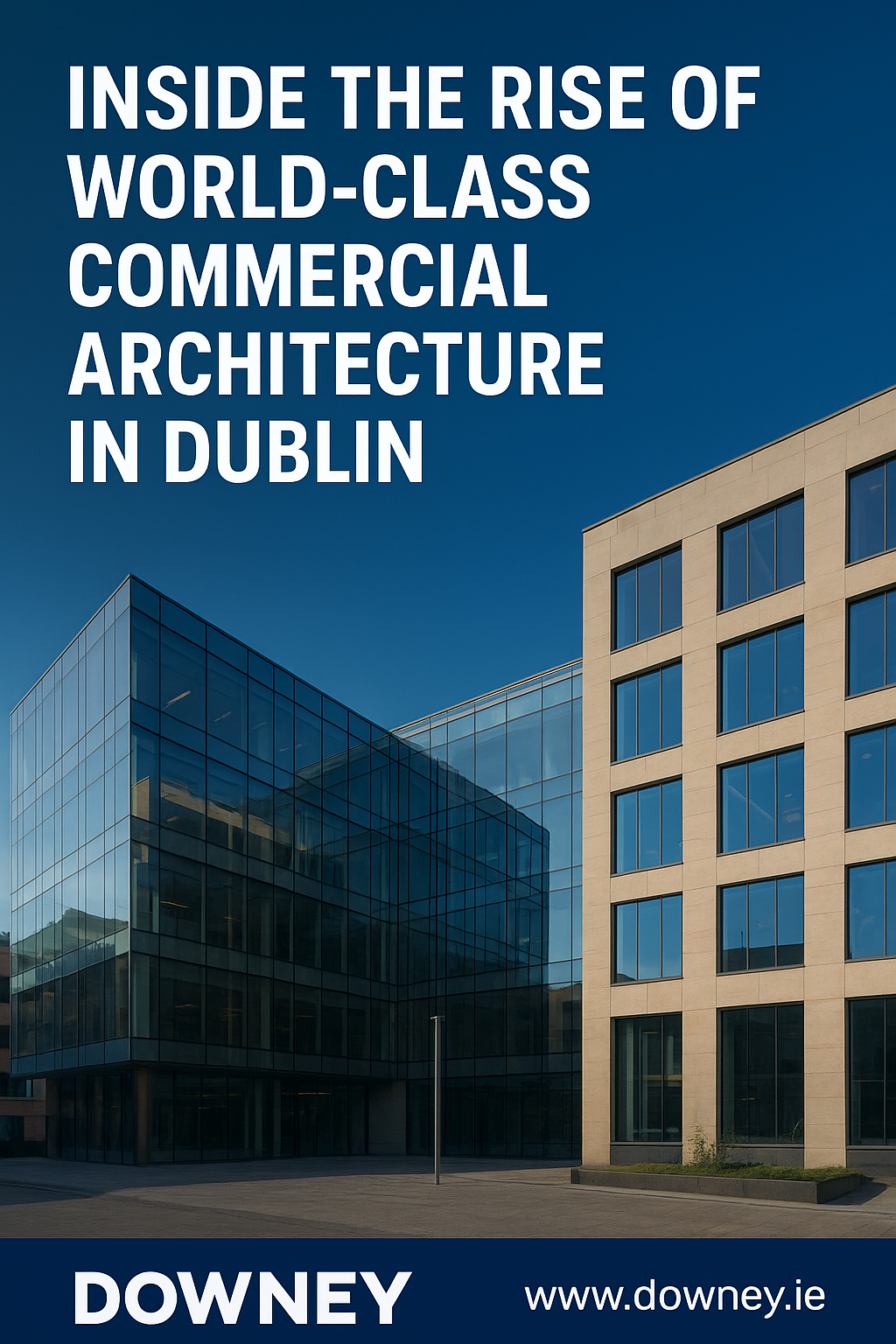
Inside the Rise of World-Class Commercial Architecture in Dublin
Dublin has entered a new era of architectural ambition, driven by rapid economic growth, evolving workplace culture, and a push for sustainable urban development. Once known primarily for its Georgian streetscapes and historic character, the city is now home to a surge of innovative commercial projects that stand alongside some of Europe’s most forward-thinking designs. At the forefront of this transformation are commercial architecture firms in Dublin—including Downey—who have embraced the challenge of shaping spaces that support modern business while respecting the city’s rich heritage. This rise of world-class commercial architecture is not accidental. It is the result of strategic planning, design excellence, and a deep understanding of how people want to work, live, and connect in the twenty-first century. A City Evolving with Purpose Over the last decade, Dublin has experienced major shifts in business and urban development. Multinational companies, tech giants, financial institutions, and creative industries have all established strong bases in the city. This wave of investment demanded new types of commercial buildings—structures that could accommodate flexible workforces, advanced technologies, and sustainability requirements. As a result, commercial architecture firms in Dublin have evolved from traditional design studios into multidisciplinary teams capable of delivering visionary urban solutions. At Downey, this evolution is part of our core identity. Our work reflects Dublin’s changing needs: buildings that combine efficiency, aesthetics, and environmental responsibility to create lasting value. Blending Heritage and Innovation One of the most distinctive challenges—and opportunities—within Dublin’s architectural scene is the need to balance old and new. Unlike many cities undergoing rapid development, Dublin’s architectural identity remains deeply tied to its historic structures. The task for architects is to integrate contemporary commercial design into a landscape shaped by centuries of history. Firms like Downey approach this challenge by treating heritage as an asset, not an obstacle. Adaptive reuse projects have become a hallmark of commercial design in Dublin, transforming historic warehouses, mills, and industrial buildings into cutting-edge offices and commercial hubs. These projects honour the past while meeting the functional expectations of modern businesses. The result is architecture that feels distinctly “Dublin”—a unique blend of brick, glass, character, and innovation. The Role of Sustainability in Commercial Design Sustainability has moved from optional to essential. Dublin’s commercial architecture is now heavily influenced by environmental targets, climate action policies, and client expectations for low-energy performance. Top commercial architecture firms Dublin relies on—including Downey—have embraced sustainability as a core design value rather than a box-ticking exercise. This includes: Passive solar design Energy-efficient façades Green roofs Low-carbon materials Renewable energy integration Interior environments optimised for health and comfort Clients increasingly see sustainable design as a long-term investment: reducing operational costs, increasing building performance, and appealing to environmentally conscious tenants. At Downey, our commitment to sustainability shapes every stage of design, ensuring that modern commercial buildings contribute positively to the city’s environmental goals. The Influence of the Modern Workforce As the workforce evolves, so must the buildings they occupy. Hybrid working, wellbeing-focused design, collaborative spaces, and tech integration have become essential elements of commercial architecture. Dublin’s businesses are prioritising environments that support flexibility, engagement, and productivity. This shift has driven architects to rethink everything from floor layouts to materials, lighting, acoustics, and amenities. Spaces must now reflect culture as much as functionality. Downey has embraced this shift by creating human-centred environments that promote wellbeing and collaboration. Our designs consider natural light, indoor air quality, noise control, movement between spaces, and opportunities for both teamwork and privacy. Buildings are no longer just containers for work—they are experiences. Technology as a Design Catalyst Another major driver of Dublin’s architectural advancement is technology. Smart building solutions have transformed how commercial structures operate, improving efficiency and user experience. These innovations include: Automated lighting and climate control Advanced security and access systems Smart sensors and occupancy tracking High-performance building management systems Immersive digital design tools like BIM and VR For architects, technology enhances design accuracy and communication, while clients benefit from buildings that are more reliable, efficient, and adaptable. At Downey, technology is a key part of our design process. It allows us to visualise concepts clearly, collaborate more effectively with clients, and deliver projects that meet modern performance expectations. A Global Standard of Excellence Dublin’s commercial architecture has reached a point where it can stand confidently among global design hubs. The city’s developments now attract international recognition, winning awards and drawing interest from investors and businesses around the world. What sets Dublin apart is not just its innovation but its authenticity. The city’s new commercial projects reflect a deep connection to place, history, and community. Rather than copying global trends, Dublin’s architects reinterpret them through a local lens. As one of the respected commercial architecture firms Dublin trusts, Downey contributes to this global standard through a commitment to quality, creativity, and meaningful design. Our projects reflect the belief that architecture should not merely fill space but enhance the everyday lives of those who experience it. Looking Ahead: The Future of Commercial Architecture in Dublin Dublin’s architectural future is vibrant and full of potential. As sustainability targets rise, technology advances, and urban density increases, commercial architecture will continue to evolve. Key trends shaping the years ahead include: Net-zero commercial buildings Biophilic and wellness-driven design Mixed-use developments that blend work, leisure, and community Greater integration of public spaces and pedestrian-friendly planning Continued adaptive reuse of heritage structures For Downey, the future represents an exciting continuation of our mission: to design commercial buildings that elevate Dublin’s skyline while serving the people, businesses, and communities who inhabit them. Conclusion The rise of world-class commercial architecture in Dublin is the result of passion, innovation, and a forward-thinking approach to urban design. As the city continues to grow, architects play a crucial role in shaping environments that are functional, sustainable, and inspiring. Downey is proud to be part of this movement—designing commercial spaces that reflect Dublin’s unique character while meeting the demands of modern business. For clients seeking expertise, creativity, and commitment, we stand ready to help shape the next chapter of Dublin’s architectural evolution.